
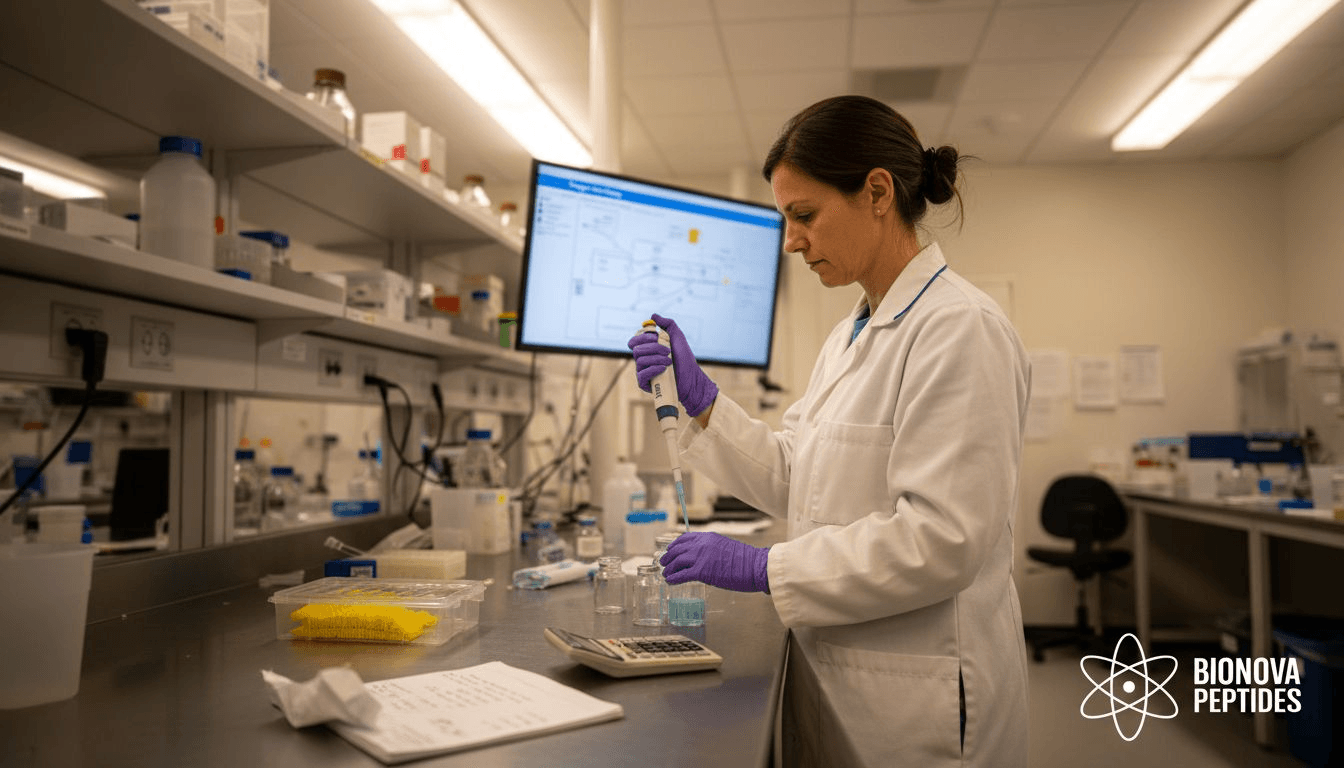
Biomedical researchers face a complex landscape when selecting peptides for laboratory applications in 2026. With peptide technologies advancing rapidly across drug delivery, immunotherapy, diagnostics, and intracellular targeting, choosing the right approach demands careful evaluation of stability, delivery mechanisms, and target specificity. This article outlines key examples of peptide uses in current research to help you understand how these versatile molecules can advance your scientific projects.
Table of Contents
- Criteria For Selecting Peptide Applications In Biomedical Research
- Drug Delivery And Therapeutic Applications Of Peptides
- Chemical And Enzymatic Modifications To Enhance Peptide Performance
- Intracellular Delivery With Cell-Penetrating Peptides And Peptide Nucleic Acids
- Comparison Of Major Peptide Application Types
- Choosing The Right Peptide Application For Your Research Needs
- Explore Cutting-Edge Peptides For Your Research
- Frequently Asked Questions
Key takeaways
| Point | Details |
|---|---|
| Targeted delivery | Peptides enable precise drug delivery through tumor-penetrating sequences and nanoparticle carriers |
| Oral formulations | Permeation enhancers like sodium caprate improve oral peptide absorption and patient compliance |
| Controlled release | Nanogels and liquid crystal systems provide stimuli-responsive, sustained peptide delivery |
| Chemical modifications | Terminal modifications, cyclization, and residue substitutions enhance stability against degradation |
| Intracellular access | Cell-penetrating peptides deliver nucleic acids and proteins directly into the cytosol |
Criteria for selecting peptide applications in biomedical research
Selecting appropriate peptide applications requires evaluating multiple technical and practical factors that directly impact experimental outcomes. Peptide drugs face challenges with stability and cell penetration despite favorable safety profiles, making careful selection critical.
You should prioritize pharmacokinetic properties including serum half-life and bioavailability when planning peptide-based experiments. Short half-lives may necessitate frequent dosing or controlled-release formulations. Assess peptide stability against enzymatic degradation and oxidation, particularly for proteolytic sites that compromise in vivo performance.
Delivery method suitability varies widely across applications. Injectable routes offer direct access but limit patient compliance, while oral delivery faces absorption barriers. Nanoparticle-based systems provide protective encapsulation but add formulation complexity. Target tissue specificity determines whether passive or active targeting strategies work best.
Intracellular penetration presents a major hurdle for many peptide therapeutics. Standard peptides struggle to cross cell membranes, requiring specialized peptide drug modification strategies or delivery vehicles. Consider ease of synthesis when scaling from discovery to production phases.
Structural adaptability allows you to optimize sequences for specific functions. Linear peptides offer simple synthesis but may lack stability, while cyclic variants provide enhanced resistance to degradation. Verify all modifications through comprehensive lab reports documenting purity and characterization data.
Pro Tip: Map your peptide's predicted cleavage sites early in design using protease databases to identify vulnerable bonds requiring protection through chemical modification.
Drug delivery and therapeutic applications of peptides
Peptides serve as versatile platforms for targeted drug delivery through strategic functionalization and carrier systems. Functional peptides improve tumor selectivity and intracellular drug delivery using peptide-drug conjugates and tumor-penetrating sequences.
Lipidation improves serum stability by increasing plasma protein binding and reducing renal clearance. Nanoparticle carriers protect peptides from enzymatic degradation while enabling controlled release profiles. Tumor-penetrating peptides like iRGD bind to integrins on tumor vessels, then undergo proteolytic cleavage to expose a C-terminal motif that facilitates tissue penetration and drug accumulation.

Peptide-based nanogels encapsulate therapeutic agents for stimuli-responsive release triggered by pH, temperature, or enzymatic activity. Fmoc-FF nanogels self-assemble into protective matrices that shield encapsulated drugs from premature degradation. These formulations achieve sustained release over days to weeks, reducing dosing frequency.
pH-modulated liquid crystal systems leverage the pH gradient in tumors to trigger drug release. Octreotide acetate formulations using these systems demonstrate prolonged circulation and enhanced tumor accumulation compared to free peptide. The table below summarizes key delivery approaches:
| Delivery System | Mechanism | Stability Enhancement | Release Profile |
|---|---|---|---|
| Lipid conjugation | Plasma protein binding | 3-5x half-life increase | Continuous |
| Nanogel encapsulation | Physical protection | >90% stability at 72h | Stimuli-responsive |
| Tumor-penetrating peptides | Active tissue penetration | Moderate | Rapid upon cleavage |
| Liquid crystal systems | pH-triggered release | High | Sustained over days |
Advanced formulations combine multiple strategies. Tirzepatide 20mg represents next-generation GIP/GLP-1 receptor agonist design, while TB-500 demonstrates regenerative peptide applications in tissue repair models.
Pro Tip: Test peptide-carrier compatibility early using differential scanning calorimetry to identify formulations that maintain peptide structure during encapsulation and storage.
Chemical and enzymatic modifications to enhance peptide performance
Modifying peptide structure dramatically improves pharmacological properties through strategic alterations at vulnerable positions. Chemical modifications include terminal modifications, cyclization, and residue substitutions, while enzymatic approaches use natural or modified enzymes to boost peptide performance.
N-terminal acetylation and C-terminal amidation block exopeptidase degradation, extending half-life without altering core activity. These simple modifications prevent aminopeptidase and carboxypeptidase cleavage at terminal residues. Cyclization through disulfide bonds or backbone linkages constrains peptide conformation, improving binding affinity and protease resistance.
Residue substitutions strategically replace natural amino acids with non-proteinogenic variants. D-amino acids at cleavage sites eliminate proteolytic recognition while maintaining biological activity. Beta-amino acids increase backbone rigidity and metabolic stability. The modification hierarchy follows:
- Identify primary degradation sites through plasma stability assays
- Apply terminal modifications as first-line protection
- Introduce cyclization if conformational stability improves activity
- Substitute vulnerable residues with protease-resistant analogs
- Test modified peptides for maintained target binding and selectivity
Permeation enhancers revolutionize oral peptide delivery by temporarily opening tight junctions. Co-formulation with sodium caprate enhances oral peptide stability and bioavailability through reversible membrane permeabilization. C10 increases intestinal absorption up to 10-fold for certain peptides without causing tissue damage.
Enzymatic modifications offer substrate specificity that chemical methods lack. Transglutaminase catalyzes controlled cross-linking, while sortase mediates site-specific ligation for peptide-protein conjugates. These approaches produce natural-like variants with enhanced properties. Peptide modification blends demonstrate synergistic combinations for optimized pharmacodynamics.
Intracellular delivery with cell-penetrating peptides and peptide nucleic acids
Cell-penetrating peptides overcome the fundamental barrier of membrane impermeability that limits many therapeutic strategies. CPPs improve uptake of antisense peptide nucleic acids and enable intracellular delivery of functional proteins ranging from small enzymes to large antibody fragments.
TP10 consistently outperforms Tat and TD2.2 in delivering PNAs across cell membranes with superior endosomal escape efficiency. PNAs offer exceptional stability compared to DNA or RNA due to their uncharged peptide backbone, but require CPP conjugation for cellular entry. The TP10-PNA conjugates achieve >80% knockdown of target mRNA at micromolar concentrations.
Electrostatic interactions enable delivery of proteins with diverse size and charge using TAT3 peptide clusters. This approach delivered functional proteins ranging from 1.5 kDa to 430 kDa into the cytosol through reversible surface modification. Cationic peptide patches bind anionic protein surfaces, facilitating membrane translocation without permanent chemical modification.
Balancing CPP and cargo concentrations critically affects uptake efficiency. Excess CPP causes cellular toxicity, while insufficient CPP leaves cargo stranded extracellularly. Optimal ratios typically range from 1:1 to 5:1 CPP:cargo molar ratio depending on cargo size and charge. The comparison below highlights CPP performance:
| CPP Type | Cargo Compatibility | Endosomal Escape | Cytotoxicity | Best Application |
|---|---|---|---|---|
| TP10 | PNAs, small proteins | Excellent | Low | Antisense oligonucleotides |
| Tat | Proteins, peptides | Moderate | Moderate | Protein transduction |
| TAT3 clusters | Large proteins | Good | Low | Antibody delivery |
| Penetratin | Small molecules, peptides | Moderate | Low | Drug conjugates |
CPP mechanisms involve both direct translocation and endocytic pathways. Arginine-rich sequences interact with negatively charged membrane components, inducing temporary pores or invaginations. Hydrophobic CPPs insert into lipid bilayers, creating transient disruptions that permit cargo passage.
PT-141 demonstrates specialized peptide applications in melanocortin receptor research, showcasing the importance of understanding receptor-specific delivery requirements for optimal experimental outcomes.
Comparison of major peptide application types
Understanding the distinct advantages and limitations of each peptide application category guides informed selection for your research objectives. The following comparison synthesizes key features:
| Application Type | Primary Delivery Method | Stability Profile | Target Specificity | Main Challenge | Ideal Use Case |
|---|---|---|---|---|---|
| Drug delivery peptides | Nanocarriers, conjugation | Moderate with modifications | High through targeting ligands | Tumor penetration | Targeted cancer therapy |
| Modified peptides | Injectable, oral with enhancers | High with chemical protection | Moderate to high | Manufacturing complexity | Chronic disease treatment |
| Cell-penetrating peptides | Direct application, injection | Moderate | Dependent on cargo | Endosomal escape | Intracellular biologics delivery |
| Nanogel formulations | Injectable depot | Very high | Adjustable through surface modification | Formulation optimization | Sustained release applications |
| Tumor-penetrating peptides | Systemic injection | Moderate | Tumor-selective | Requires integrin expression | Solid tumor targeting |
| Oral peptide formulations | Oral with permeation enhancers | Low without protection | Variable | Intestinal degradation | Patient compliance priority |
Drug delivery peptides excel when target specificity drives experimental design. These applications achieve the highest selectivity through receptor-mediated recognition but require careful validation of target expression levels. Tumor-penetrating peptides like iRGD demonstrate remarkable tissue accumulation but depend on integrin expression patterns.
Modified peptides balance stability improvements with synthetic accessibility. Chemical modifications provide robust protection against degradation but may alter immunogenicity or binding kinetics. Test modified variants early to confirm maintained biological activity.
CPPs enable delivery of otherwise impermeable cargoes but face reproducibility challenges across cell types. Endosomal entrapment remains a limiting factor despite optimization efforts. Nanogel formulations offer superior stability and controlled release but require specialized manufacturing capabilities and thorough characterization.
Oral formulations improve experimental convenience and model human dosing routes more closely. However, achieving therapeutic concentrations demands careful formulation development with validated permeation enhancers. Consider injectable alternatives when oral bioavailability proves insufficient.
Choosing the right peptide application for your research needs
Selecting optimal peptide applications requires aligning technical capabilities with experimental goals and project constraints. Start by clearly defining your therapeutic objective: targeted tumor therapy demands different approaches than intracellular protein delivery or oral bioavailability studies.
Project scale significantly influences application choice. Early-stage exploratory research benefits from simpler, well-characterized peptide systems that enable rapid iteration. Clinical translation requires formulations with established safety profiles and scalable manufacturing processes. Balance complexity against available resources and timeline constraints.
Formulation complexity trades off against delivery efficiency and stability. Simple peptide conjugates offer straightforward synthesis but may require frequent dosing. Advanced nanocarrier systems provide superior pharmacokinetics but demand specialized expertise and characterization methods. Match formulation sophistication to your laboratory capabilities.
Regulatory and safety considerations become paramount as research progresses toward applications. Validate peptide purity and identity through comprehensive analytical testing documented in lab reports. Novel modifications or delivery systems require additional toxicology studies before advancing to in vivo models.
Emerging technologies expand peptide application possibilities:
- CPP clusters enable delivery of large protein cargoes previously considered intractable
- Stimuli-responsive nanogels provide programmable release kinetics tailored to disease microenvironments
- Enzymatic modifications produce natural-like variants with improved immunogenicity profiles
- Oral formulation advances make previously injectable peptides accessible through convenient dosing routes
- Combination strategies merge multiple approaches for synergistic performance improvements
Functional peptides represent a promising approach in personalized medicine and precision oncology. The field continues evolving rapidly with new modification chemistries, delivery vehicles, and targeting strategies emerging regularly.
Pro Tip: Pilot test multiple peptide approaches in parallel during early research phases to identify the optimal strategy before committing to extensive optimization of a single formulation.
Consult comprehensive peptide safety profiles when evaluating new applications to ensure experimental compliance and appropriate handling procedures for your laboratory setting.
Explore cutting-edge peptides for your research
BioNova Peptides provides research-grade peptides exceeding 99% purity for biomedical applications across drug delivery, intracellular targeting, and therapeutic development. Every peptide includes detailed characterization data verified through HPLC and mass spectrometry, supporting rigorous experimental standards.
Access the complete peptides catalog featuring specialized compounds for diverse research needs. Browse comprehensive lab reports documenting analytical verification for each batch, ensuring reproducible experimental outcomes.
Featured research compounds include Tirzepatide 20mg for dual GIP/GLP-1 receptor studies, enabling investigations into metabolic regulation and therapeutic mechanisms. All products ship with temperature-controlled packaging and certificates of analysis, supporting your laboratory's quality standards and scientific objectives.
Frequently asked questions
What are the main challenges in using peptides for drug delivery?
Enzymatic degradation, short serum half-life, and membrane permeability barriers limit peptide therapeutic efficacy. Chemical modifications like terminal protection and cyclization improve stability, while nanocarrier systems provide physical shielding. Cell-penetrating peptides and nanogel formulations address delivery challenges through enhanced cellular uptake and controlled release mechanisms.
How do cell-penetrating peptides improve nucleic acid therapies?
CPPs facilitate membrane crossing by nucleic acid analogs that otherwise exhibit poor cellular permeability due to their charged backbones. Conjugating CPPs to antisense oligonucleotides or PNAs enables intracellular targeting of mRNA, improving gene knockdown efficiency. This approach enhances therapeutic potential for genetic targets previously inaccessible with standard delivery methods.
Are oral peptide formulations effective compared to injections?
Oral formulations improve patient compliance and enable convenient dosing schedules that support chronic treatment regimens. However, peptides face significant degradation from gastric acid and intestinal proteases, plus absorption barriers at the epithelial layer. Permeation enhancers like sodium caprate temporarily open tight junctions, increasing bioavailability to levels approaching injectable formulations for specific peptides.
What modification strategies increase peptide stability?
Terminal modifications including N-terminal acetylation and C-terminal amidation block exopeptidase degradation, while cyclization through disulfide bonds enhances structural stability. Residue substitutions with D-amino acids or beta-amino acids at cleavage sites confer protease resistance. Enzymatic modifications using transglutaminase or sortase produce natural-like variants with improved stability profiles while maintaining biological activity.