

Most researchers know peptide sequences are chains of amino acids, but this simplistic view obscures a fundamental biochemical architecture. Each sequence encodes not just molecular identity but precise three dimensional structure, biological function, and therapeutic potential. From DNA translation to synthetic production challenges, understanding peptide sequences requires mastering the interplay between genetic code, protein folding, and modern synthesis technology. This guide explores how peptide sequences are encoded, why single amino acid changes cause disease, and how advances in solid phase peptide synthesis are transforming pharmaceutical development.
Table of Contents
-
The Impact Of Peptide Sequences On Protein Structure And Function
-
Applications Of Peptide Sequences In Modern Biotechnology And Pharmaceuticals
Key takeaways
| Point | Details |
| Genetic encoding | DNA encodes peptides/08:_Peptide_Bonds_Polypeptides_and_Proteins/8.01:_Specifying_a_polypeptides_sequence) via 64 codons representing 22 amino acids with built in redundancy. |
| Primary structure determines function | The amino acid sequence dictates protein shape and biological activity, with single substitutions causing diseases like sickle cell anemia. |
| Fmoc SPPS dominates synthesis | Fmoc solid phase synthesis offers scalability and efficiency but faces challenges like aspartimide formation. |
| Therapeutic peptide diversity | Modified peptide sequences enable targeted drug development across metabolic, cardiovascular, and oncological applications. |
| Quality control is critical | Rigorous HPLC and MS verification ensures sequence accuracy and purity for research applications. |
Understanding peptide sequences: from DNA to protein
Peptide sequences originate from the genetic code, where specific DNA regions encode each polypeptide/08:_Peptide_Bonds_Polypeptides_and_Proteins/8.01:_Specifying_a_polypeptides_sequence). This encoding system translates nucleotide information into amino acid chains through a precise molecular mechanism. The process relies on codons, which are groups of three nucleotides that specify individual amino acids during protein synthesis.
The genetic code uses 64 codons/08:_Peptide_Bonds_Polypeptides_and_Proteins/8.01:_Specifying_a_polypeptides_sequence) to encode 22 amino acids, creating significant redundancy. Multiple codons often code for the same amino acid, which provides evolutionary advantages by buffering against certain mutations. Three codons function as stop signals, marking the termination of polypeptide synthesis.
This redundancy has practical implications for peptide variability:
-
Some amino acids have six different codon options
-
Others have only one or two possible codons
-
Wobble base pairing allows tRNA flexibility in the third codon position
-
Synonymous mutations change DNA sequence without altering the amino acid
The genetic code’s degeneracy means researchers must consider nucleotide context when designing expression systems or studying sequence evolution.
Understanding codon usage becomes critical when expressing recombinant peptides in bacterial or mammalian systems. Codon optimization matches host organism preferences, improving translation efficiency and yield. Detailed lab reports verify that synthesized peptides match intended sequences regardless of production method.
The impact of peptide sequences on protein structure and function
The primary amino acid sequence forms the foundation for all higher order protein architecture. This linear arrangement determines how a protein folds into secondary structures like alpha helices and beta sheets, which then organize into tertiary and quaternary forms. Amino acid sequence dictates 3D shape, which in turn controls biological function and biochemical properties.

Two proteins with identical amino acid compositions but different sequences produce entirely distinct structures and functions. The order matters more than the inventory. This sequence specificity enables precise biological activity and pharmaceutical targeting in drug development.
Single amino acid substitutions can have devastating consequences:
-
Sickle cell anemia results from one glutamic acid to valine substitution in hemoglobin
-
This single change alters oxygen binding capacity and red blood cell shape
-
Cystic fibrosis often stems from a phenylalanine deletion at position 508
-
Certain cancer mutations involve single residue changes in p53 tumor suppressor
These examples demonstrate why sequence fidelity is paramount in therapeutic peptide development and quality control.
The relationship between sequence and function extends beyond disease. Enzyme active sites require precise amino acid arrangements for catalysis. Receptor binding domains need exact sequences for ligand recognition. Even subtle sequence variations in therapeutic peptides can dramatically alter pharmacokinetics, bioavailability, and target specificity. Researchers exploring peptide sequence impact recognize that understanding this structure function relationship is essential for rational drug design and protein engineering.
Pro Tip: When analyzing peptide sequences for research applications, always verify the primary structure through mass spectrometry rather than relying solely on synthesis protocols, as even minor sequence errors can invalidate experimental results.
Synthetic peptide sequences: methods and challenges
Modern peptide synthesis relies predominantly on Fmoc based solid phase peptide synthesis, which has become the preferred method due to scalability and practical advantages. This approach anchors the growing peptide chain to a solid resin support, allowing excess reagents and byproducts to be washed away between coupling cycles. The Fmoc protecting group on the amino terminus can be removed under mild basic conditions without harsh chemicals.
Economies of scale have made Fmoc building blocks remarkably affordable and high quality. Automated synthesizers can now produce peptides up to 50 residues with good yields, though longer sequences present increasing challenges. The technology has matured to where many research grade peptides are commercially accessible through suppliers offering comprehensive selections like the all peptides catalog.
Despite these advances, synthesis challenges persist. Aspartimide formation hinders extended synthesis, particularly in sequences containing aspartic acid followed by glycine. This side reaction creates a cyclic imide that disrupts the intended peptide sequence and reduces overall product quality. The issue becomes more pronounced in longer peptides and under certain coupling conditions.
| Strategy | Advantages | Limitations |
| Boc SPPS | Produces high quality difficult sequences | Requires HF cleavage, harsh conditions, specialized equipment |
| Fmoc SPPS | Mild deprotection, cost effective, automated | Aspartimide formation, limited for very long sequences |
| Microwave assisted | Faster coupling, higher yields | Equipment cost, sequence dependent benefits |
| Pseudoproline dipeptides | Reduces aggregation, improves difficult sequences | Additional synthetic steps, higher reagent costs |
Advanced protection strategies help mitigate aspartimide formation:
-
Using backbone amide protection on aspartic acid residues
-
Employing alternative side chain protecting groups
-
Optimizing base strength and reaction time during Fmoc removal
-
Implementing pseudoproline building blocks in problem sequences
Quality assurance through lab reports on peptide synthesis becomes essential for validating that synthetic sequences match design specifications. HPLC chromatograms reveal purity levels while mass spectrometry confirms exact molecular weight and sequence integrity.
Pro Tip: For peptides containing Asp Gly motifs, request synthesis protocols that include aspartimide suppression strategies and insist on detailed analytical data showing both HPLC purity and MS confirmation of the correct sequence.
Applications of peptide sequences in modern biotechnology and pharmaceuticals
Therapeutic peptides represent pharmacologically active sequences of amino acids designed to interact with specific biological targets. These molecules occupy a unique space between small molecule drugs and large protein biologics, offering advantages in selectivity and reduced immunogenicity. Peptide drug development has advanced significantly due to improvements in production technologies, chemical modifications, and analytical methods.
Peptide derivatives and modifications expand chemical diversity beyond the 22 natural amino acids. Researchers incorporate non natural amino acids, add polyethylene glycol chains for extended half life, create cyclic structures for enhanced stability, and introduce lipid modifications for improved membrane permeability. These sequence enhancements enable peptides to overcome traditional limitations like rapid degradation and poor oral bioavailability.
Current therapeutic peptides address diverse medical needs:
-
Metabolic disorders including diabetes and obesity
-
Cardiovascular conditions requiring precise receptor modulation
-
Oncology applications targeting cancer cell signaling pathways
-
Antimicrobial peptides combating drug resistant infections
-
Hormonal therapies for endocrine system regulation
The development pathway for peptide therapeutics follows these critical steps:
-
Sequence design based on target receptor structure and binding requirements
-
Solid phase synthesis with rigorous quality control at each coupling cycle
-
Chemical modification to enhance stability, bioavailability, or targeting
-
In vitro screening for binding affinity and functional activity
-
Pharmacokinetic optimization through structure activity relationship studies
-
Preclinical safety and efficacy testing in relevant disease models
-
Clinical trial phases evaluating human safety, dosing, and therapeutic benefit
Recent advances have dramatically improved synthesis speed and peptide quality. Microwave assisted synthesis reduces coupling times from hours to minutes. Automated platforms enable parallel synthesis of peptide libraries for drug discovery. Advanced purification methods achieve greater than 99% purity for clinical applications. Products like tirzepatide therapeutic peptide exemplify how optimized sequences translate into effective treatments for metabolic disease.
Researchers exploring the peptide therapeutics landscape can access diverse sequences for investigating new applications, validating targets, and developing next generation biologics.
Explore high quality peptides for research and development
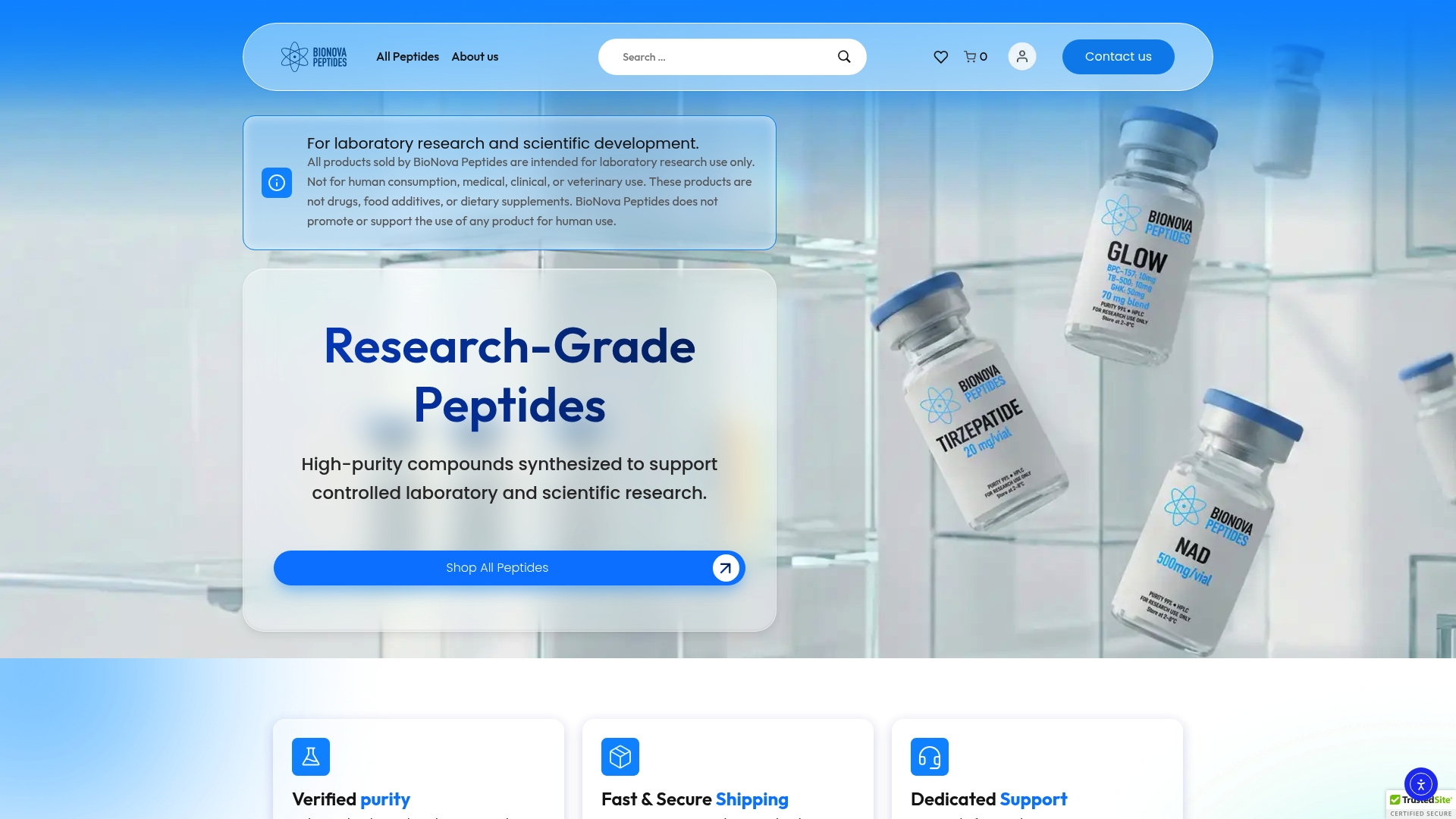
Your research demands peptides synthesized with precision and verified through rigorous analytical methods. Whether investigating protein interactions, developing therapeutic candidates, or exploring novel biological pathways, sequence accuracy and purity directly impact experimental validity. Access a comprehensive peptide catalog spanning diverse research applications, each product manufactured using advanced solid phase techniques and confirmed through HPLC and mass spectrometry.
Every peptide ships with detailed lab reports documenting purity levels, molecular weight confirmation, and batch specific quality data. This documentation supports experimental design and regulatory compliance for projects ranging from basic research to preclinical development. For specialized applications requiring advanced therapeutic sequences, products like tirzepatide 20mg demonstrate the quality and specifications available for cutting edge biomedical investigations.
Frequently asked questions about peptide sequences
What defines a peptide sequence at the molecular level?
A peptide sequence is the specific linear order of amino acids connected by peptide bonds from N terminus to C terminus. This primary structure includes both the identity and arrangement of residues, which determines all subsequent folding and biological properties.
How does redundancy in the genetic code affect peptide variability?
Genetic code redundancy means multiple DNA sequences can encode identical peptide sequences, providing evolutionary flexibility and mutation buffering. However, codon usage biases in different organisms affect expression efficiency, making sequence context important for recombinant production.
What are common challenges in synthetic peptide production?
Aspartimide formation during Fmoc deprotection represents a major challenge, particularly in Asp Gly sequences. Other issues include aggregation during synthesis, racemization of certain residues, incomplete coupling reactions, and difficulty purifying very long or hydrophobic peptides.
How do peptide sequences influence drug development?
Sequence determines target specificity, binding affinity, metabolic stability, and pharmacokinetic properties. Rational modifications to natural sequences can enhance therapeutic efficacy, extend circulation time, improve bioavailability, and reduce immunogenicity for clinical applications.
What methods improve peptide synthesis quality?
Microwave assisted coupling accelerates reactions and improves yields. Pseudoproline building blocks reduce aggregation in difficult sequences. Optimized protecting group strategies minimize side reactions. Real time monitoring and automated systems ensure consistent coupling efficiency across all residues.